- Home
- Demo

Chicken subway demo slot guide with rules and tips - how to play & features
Quick tip: If you want the purest feel without risking cash, treat the demo like an extended warm-up – the title usually advertises an RTP around 95.5%–96.2% and plays with medium-high variance, so wins can be chunkier and less frequent. Minimum bets typically start from about $0.10 to $0.50 depending on the site, so budget for short aggressive bursts rather than long, tiny-spin sessions; factor in KYC waits, typical deposit/withdrawal speed, and whether the casino's support is responsive when you switch to real money. Expect mechanics like wilds to influence hit clustering and watch how bonuses and promo codes alter max volatility when you graduate from demo to real play.
| Feature | Typical |
|---|---|
| RTP | 95.5%–96.2% |
| Volatility | Medium–High |
| Min bet | $0.10–$0.50 |
Play the demo to get a feel for session pacing and to test how quickly your intended stake level runs out; look at hit frequency, when free spins trigger and whether streaks wipe you out before a big payout. You can find a functional, risk-free version at many sites labeled chicken subway demo online to test volatility and how often bonus triggers arrive. If you want realistic tempo before depositing, run multi-hundred-spin stints to build a short-term expectation and compare with the site's published rules.
Use site demo rooms for controlled experimentation: chicken subway free demo runs let you map long-run variance across dozens of sessions and spot timing for when multipliers hit. When you move from observation to strategy, chicken subway practice rounds are ideal for practicing bet ramps and stop-loss levels without any cash pressure, and they also show whether the game's bonus mechanics feel frequent enough for your style. Before playing for real, check the casino's bonus terms, promo codes, expected KYC timelines and support options so you know how deposits/withdrawals and bonus clearances will behave once you switch from demo to live play.
Chicken Subway Demo – Bonus Round Mechanics
The best way to assess bonus-round behavior is to watch sequences in a controlled environment, and the chicken subway demo game offers a clear laboratory for that. In the demo you can observe how scatters align to trigger secondary boards and whether a bonus is a standalone pick'em or cascades into extended play, giving concrete signals about hit frequency without risking bankroll.
Focusing on what each bonus actually pays rather than headline features is where practice pays off; in demo mode you can map average outcomes of free spins and note whether retriggers are common or rare. Pay attention to symbol density during feature entry – some rounds load higher-value icons more often – and use that to approximate how the round changes effective volatility without needing lengthy real-money sessions.
When you want to validate theories about stacking and outcome distributions, try chicken subway demo as part of structured testing: run blocks of spins at different stakes to see if multipliers attach more often on larger plays or remain stake-independent. Record the sequences that produce the largest single bonus hits and compare that to base-game payouts to judge whether chasing features makes sense for your strategy.
Finally, playing chicken subway demo online helps set realistic expectations for live play by revealing whether bonus rounds are short, splashy events or extended sequences that eat bankroll slowly; this knowledge guides wager sizing and when to engage in bonus buys if offered. Use the demo results to plan a sensible staking plan and to identify which visual or audio cues reliably precede the most valuable feature outcomes.
Gameplay Techniques – Variance Management
Successful variance management begins with pre-session profiling to understand payout rhythm and win clustering so bet sizing can survive dry runs and exploit hot stretches. Log sequences of outcomes and track hit frequency to estimate empirical standard deviation rather than relying purely on headline figures. try chicken subway demo play.
Segmenting a bankroll into many short-session units makes it easier to enforce stop-loss and target rules without endangering the whole stake, and it clarifies how aggressive to be when volatility shifts. Use demo experimentation to discover how features change run lengths; observing how free spins compress or stretch reward timing helps set sensible unit counts for real funds.
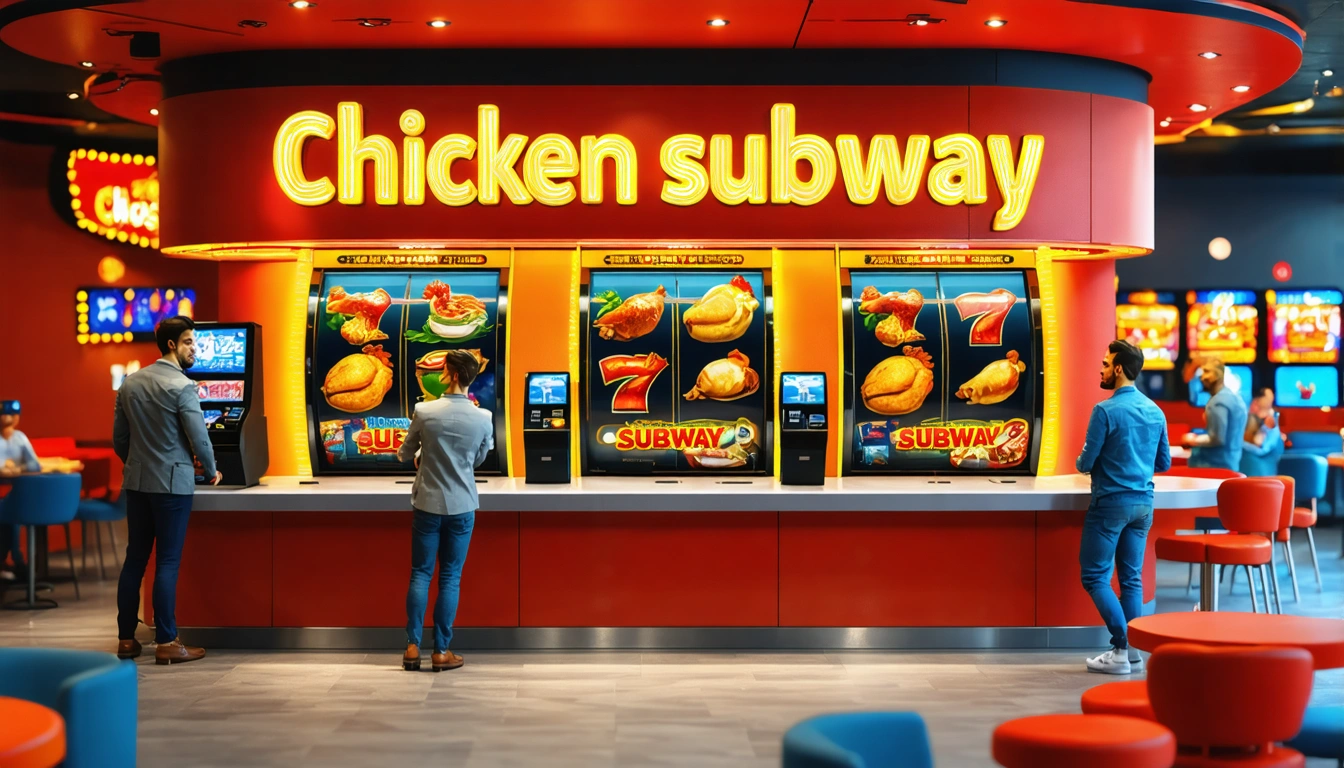
Set session length and explicit stop conditions based on observed sample variance and a quick check of RTP to frame expectations; the mean return is less relevant to short sessions than how payouts cluster. Calibrate the number of bets per session so that your sample size reasonably reflects the game's hit cadence, then test those parameters under different wagering scales. chicken subway demo mode.
Adopt adaptive staking where increases occur only after statistically justified upticks, and ensure min bet compatibility so scaling doesn't eliminate the capacity to ride out losing sequences. Watch how on-board mechanics change risk: features that increase volatility can improve top-end outcomes yet require smaller, more conservative unit steps. multipliers often skew variance higher and should prompt tighter loss-limits when active.
Lock in portions of net profits and predefine re-entry rules to avoid chasing losses caused by variance rather than poor strategy; partial cash-outs preserve upside while reducing drawdown pressure. Integrate cooldown periods after large swings, revisit your log of sessions to refine unit sizes, and rehearse exit triggers in practice to make disciplined responses automatic rather than emotional. chicken subway demo game.
Practice Drills for Variance Management
Practice drills focused on variance management train a player to react to the natural ebb and flow of slot sessions rather than to chase short-term wins. Using structured sequences of bets and strict stop-loss / stop-win checkpoints helps build muscle memory so that emotional responses are minimized when streaks reverse and volatility surges. A common rehearsal is to simulate extended downswings in demo mode before risking real balance, and players often begin this by seeking a realistic sandbox such as chicken subway demo play to learn pacing and session rhythm.
Drills should isolate single variables so you can objectively judge their effect: bet step sizing, session length, and recovery attempts are tested independently and then in combination. Repeating the same sequences until the response plan–when to shrink or widen unit sizes–becomes automatic reduces the chance of poor timing on live play. It also allows you to practice recognizing feature clustering and the timing of multipliers so you can decide whether to ride a streak or pause the plan.
Running disciplined trial sessions in practice mode lets you log outcomes and estimate typical run lengths for wins and losses, creating a personal volatility profile to guide real-money decisions. In these drills you should alternate conservative and aggressive blocks and compare how often features trigger and how long recovery phases last; when you test, be sure to try chicken subway demo to validate patterns without financial pressure. Incorporating a short checklist to record sequences where free spins or bonus chains appear sharpens your reading of game behavior over hundreds of spins.
Finally, treat practice drills as iterative experiments: change one parameter at a time, record the result, and only then adapt your live strategy. Mapping out probable streaks and preparing bet ladders prevents emotional overreach when variance becomes pronounced, and using a reliable sample from a chicken subway free demo helps calibrate expectations. Over time these rehearsed routines reduce variance risk by making responses to swings predictable and repeatable, preserving bankroll and discipline.
Trial Guide Conclusion
This trial guide focused on how to use short demo sessions to form realistic expectations: payouts can fluctuate and variance often means occasional dry spells, so view results over many spins rather than a single run. Pay attention to volatility cues, bonus trigger frequency and bankroll drift so you know what to watch during sessions and when a pattern is just variance.
Using demos before staking real money helps calibrate bet sizing and timing; playing the chicken subway demo game in practice can reveal mechanics without risking funds. Always choose licensed casinos and verify safety signals such as visible license details, HTTPS secure pages, clear terms and accessible support before depositing.
When moving from trial to cash play keep responsible gaming practices front and center: set strict limits, define a stop-loss, schedule cooldowns and maintain conscious play to avoid chasing losses while maintaining control; trying the chicken subway demo mode is a low-risk step in that process. Finally, if you decide to play for real, consider available bonuses, promo codes and new slots as part of your research, but assess terms before opting in and treat promotions as supplementary rather than guaranteed income.
Questions and answers:
Question: What is the Chicken Subway demo?
Answer: The Chicken Subway demo is a short playthrough that shows the basic mechanics and levels of the title. You can explore via the chicken subway demo mode to test movement and obstacles before deciding whether to get the full release.
Question: How do I access the demo on my device?
Answer: Visit the official site or the supported storefront to find the demo’s download or play page. Many users open the chicken subway demo online link for quick access without a full installation, and you should confirm your device meets the listed requirements.
Question: Is the demo free to use?
Answer: Yes, the demo is free and lets you sample a portion of the content and mechanics. Look for the chicken subway free demo label on the page so you download or play the correct version without hidden charges.
Question: Can I practice controls and settings in the demo?
Answer: The demo includes a short tutorial area where you can warm up, tweak sensitivity, and test controls. Use the chicken subway practice section to try timing and adjustments before tackling harder levels, though some progress may not transfer to the full game.
Question: What should I do if the demo crashes or won’t start?
Answer: Try restarting your device and closing other apps, then relaunch the demo to see if the issue clears. Update your device drivers or the app if updates exist, and contact support with error details and system information if problems persist so the team can assist.
Question: What is the Chicken subway demo?
Answer: The Chicken subway demo is a short preview that shows the core mechanics of the chicken running through subway tracks. It gives a quick look at controls, obstacles, and a few sample levels so you can decide if you like the full release.
